
 Popular Searches
 Trending Categories
 Categories

Hypoallergenic Mattresses
Whether you have asthma, suffer from allergies, or simply want a cleaner sleep environment, a hypoallergenic mattress can help create a fresh, hygienic place to sleep. Designed with hypoallergenic, allergen-resistant materials, these mattresses help reduce the build-up of common allergens, such as dust mites and mould, for a cleaner and more comfortable night's rest. Shop the range now with fast delivery and 0% interest finance options.

-
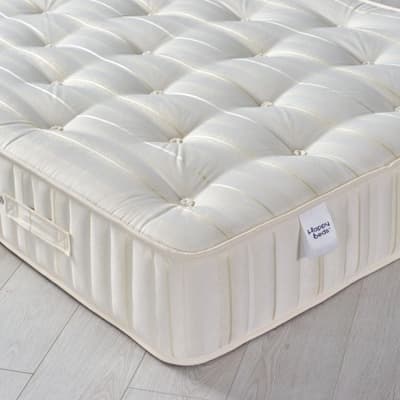 Supreme Ortho Spring Reflex Foam Orthopaedic Extra Firm Mattress
 4.9(339reviews)
 Extra FirmReflex FoamOpen Coil Spring£199 RRP £249£50 below RRP
 -
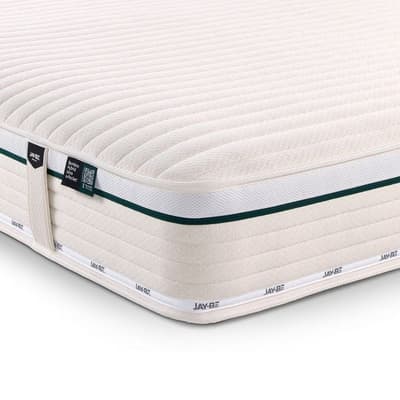 Jay-Be Bamboo Hybrid 2000 e-Pocket Mattress
5.0(1review)
Jay-Be Bamboo Hybrid 2000 e-Pocket Mattress
5.0(1review) MediumOpen Coil Spring2000 Springs£379 RRP £479£100 below RRPNew Arrival
 -
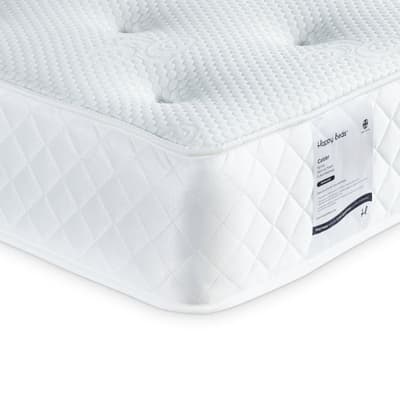 Calder Spring Memory Foam Tufted Mattress
4.8(11reviews)
MediumMemory FoamOpen Coil Spring£179 RRP £219£40 below RRPNew Arrival
Calder Spring Memory Foam Tufted Mattress
4.8(11reviews)
MediumMemory FoamOpen Coil Spring£179 RRP £219£40 below RRPNew Arrival -
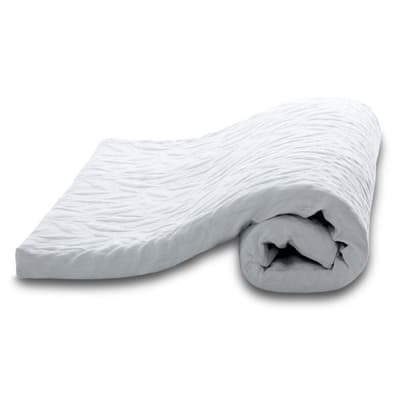 Soft Feel 5000 Memory Foam Orthopaedic Mattress Topper
4.9(25reviews)Memory FoamRemovable Cover£139 RRP £179£40 below RRP
Soft Feel 5000 Memory Foam Orthopaedic Mattress Topper
4.9(25reviews)Memory FoamRemovable Cover£139 RRP £179£40 below RRP -
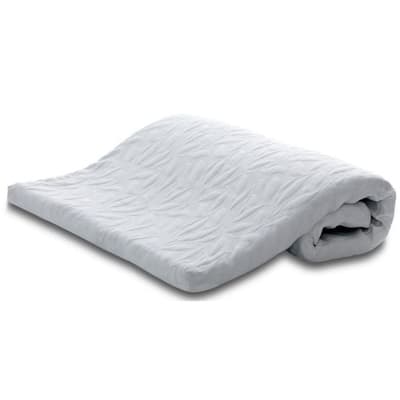 Soft Feel 2500 Memory Foam Orthopaedic Mattress Topper
4.8(4reviews)Memory FoamOrthopaedic£119 RRP £149£30 below RRP
Soft Feel 2500 Memory Foam Orthopaedic Mattress Topper
4.8(4reviews)Memory FoamOrthopaedic£119 RRP £149£30 below RRP -
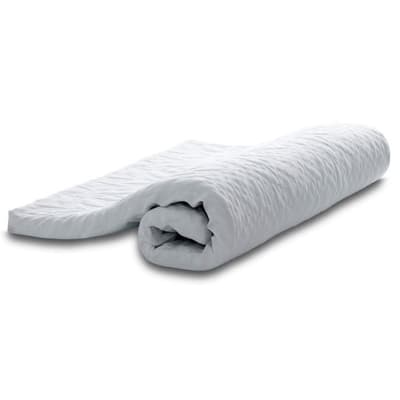 Soft Feel 7500 Memory Foam Orthopaedic Mattress Topper
4.8(5reviews)Memory FoamHypoallergenic£179 RRP £219£40 below RRP
Soft Feel 7500 Memory Foam Orthopaedic Mattress Topper
4.8(5reviews)Memory FoamHypoallergenic£179 RRP £219£40 below RRP
What is a hypoallergenic mattress?
What is the difference between hypoallergenic and anti-allergy mattresses?
Do hypoallergenic mattresses help with allergies and asthma?
Are memory foam mattresses hypoallergenic?


